Columbia, Illinois
Flood and Storm Mold Cleanup and Removal in Columbia, IL
Flood water in a Columbia home brings mold risk. Local remediation specialists respond same-day to dry the structure and remove mold to the IICRC S520 standard.
When you call
What happens when you call Columbia's 24/7 line
Call (844) 352-3560 any hour. The line is answered 24/7 and insurance is accepted.
The process
The flood and storm mold cleanup and removal process in Columbia, IL
Inspect
Technicians use moisture meters to map floodwater penetration in Columbia basements and crawl spaces.
Contain
Containment with negative air pressure seals the area to prevent cross-contamination during cleanup.
Remove
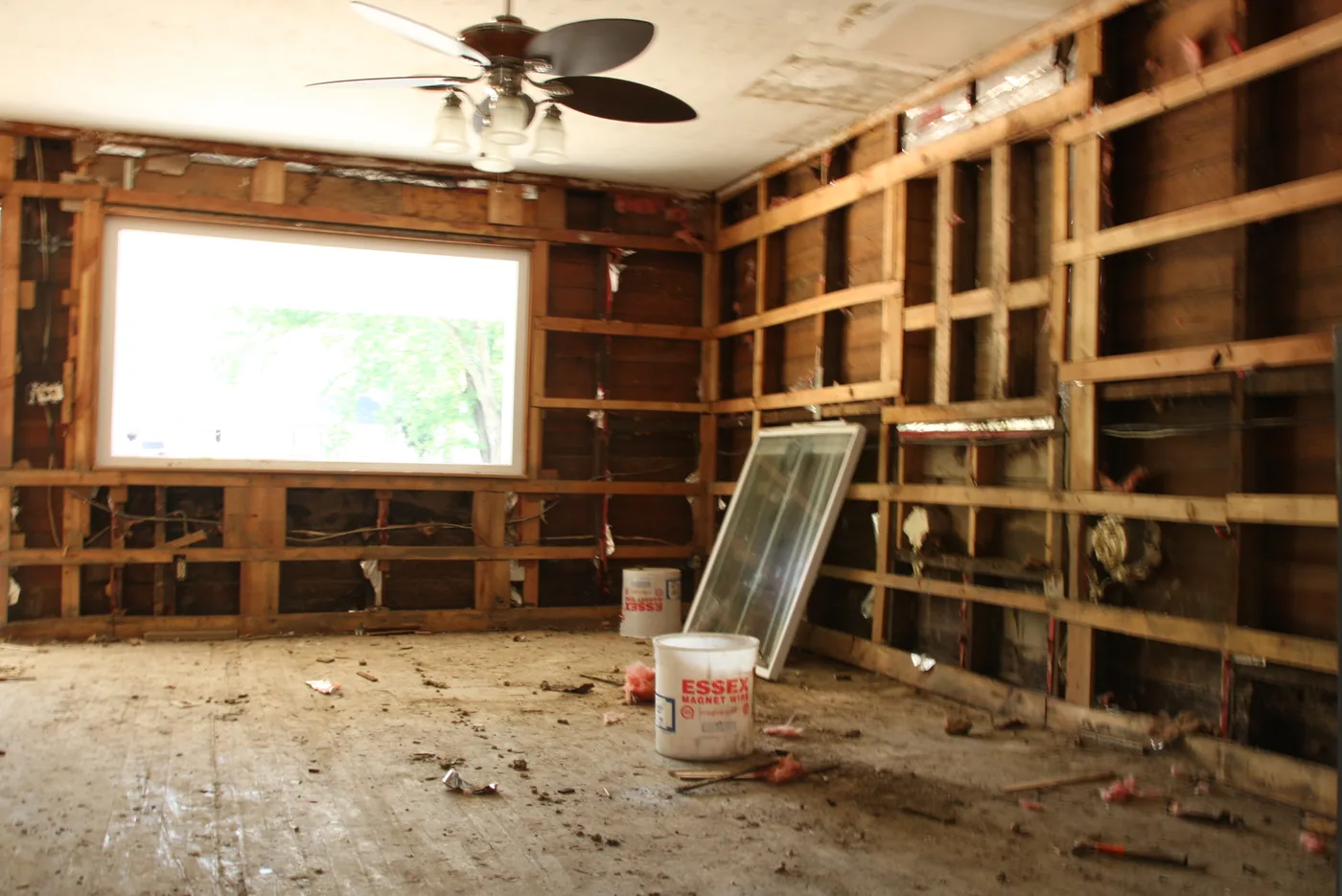
Porous materials saturated by Category 3 flood water, like drywall and insulation, are removed and discarded.
Dry
Air movers and dehumidifiers run until daily moisture readings confirm the structure in Columbia is dry.
Verify
Final verification ensures drying goals are met and remaining surfaces receive antimicrobial treatment.
Why Columbia homeowners call
Flood & Storm Mold Cleanup done to the IICRC S520 standard in Columbia, IL
24/7 Storm Response
Flood calls are prioritized for same-day response, as the first 48 hours critically impact what can be saved in a Columbia home.
Documented Remediation Process
Every flood mold remediation job includes photo documentation, moisture logs, and a written scope for accountability.
When to call
When to book Flood & Storm Mold Cleanup in Columbia
- Standing water in a Columbia basement after a storm
- Sump pump failure during heavy Saint Clair County runoff
- Carpet or drywall remaining wet for over 24 hours
- A musty odor in rooms that took on flood water
- Visible waterlines or silt on walls after flooding recedes
- Wet insulation sagging inside flooded basement walls
Any one of these is reason enough to call (844) 352-3560, the line is answered 24/7.
Scope of work
What the crew removes and treats in Columbia homes
Gypsum drywall
Drywall cut out above the flood line
Carpet and pad
Carpet and padding removed after Category 3 water contact
Fiberglass insulation
Insulation pulled from wet wall cavities and bagged
OSB subfloor
Wood framing metered, dried, or cut back if delaminated
Sill plate and framing
Surfaces HEPA vacuumed and treated with antimicrobial
Ductwork
Crawl spaces inspected for debris before drying begins
Not sure how far the damage runs? Describe it on the phone at (844) 352-3560, the line is answered 24/7.
By location
Flood & Storm Mold Cleanup by city
Flood & Storm Mold Cleanup covers Columbia and the whole Monroe County area. Pick your city for local detail and pricing.
Where the crews work
Flood & Storm Mold Cleanup across Columbia & the Monroe County area
From Columbia out to Millstadt Junction, Phelps, Rodemich, and the Monroe County area. The same crews, the same 24/7 line.
What it costs
Mold removal cost in Columbia, IL
Every job is different, so these are the typical Illinois ranges. They are planning numbers, not a quote. Your price depends on how much mold there is, where it is, and what caused it.
A single moldy spot, a closet, or under a sink. The crew seals it off, removes it, and treats the surface.
A bathroom, kitchen, or bedroom with mold on a wall or ceiling, plus the moisture source fixed.
Larger areas that need more containment and drying. Common here after spring rain or a slow leak.
Mold across several rooms or after major water damage. The work runs in phases, room by room.
The surest way to get a firm number is to call and have the crew walk the space with you. Want a ballpark first? Try the instant mold remediation cost calculator. Filing a claim? Insurance is accepted and the contractor works with your carrier, so read the mold insurance claims guide.
Time and scope
How long Flood & Storm Mold Cleanup takes in Columbia, and what is included
How long the job takes
The project timeline depends on the flood's depth, the amount of porous material removed, and how long the framing and slab take to reach drying goals.
What is included, what is booked separately
- Containment with negative air and HEPA filtration
- Removal and disposal of flood-soaked porous materials
- Structural drying with industrial equipment
- Antimicrobial treatment of cleaned framing and concrete
- Photo and moisture documentation for insurance
Booked separately: Mold Damage Restoration, Mold Clearance Testing, Sewage Mold Remediation.
For a firm schedule and a written scope, call (844) 352-3560, the line is answered 24/7.
On the job
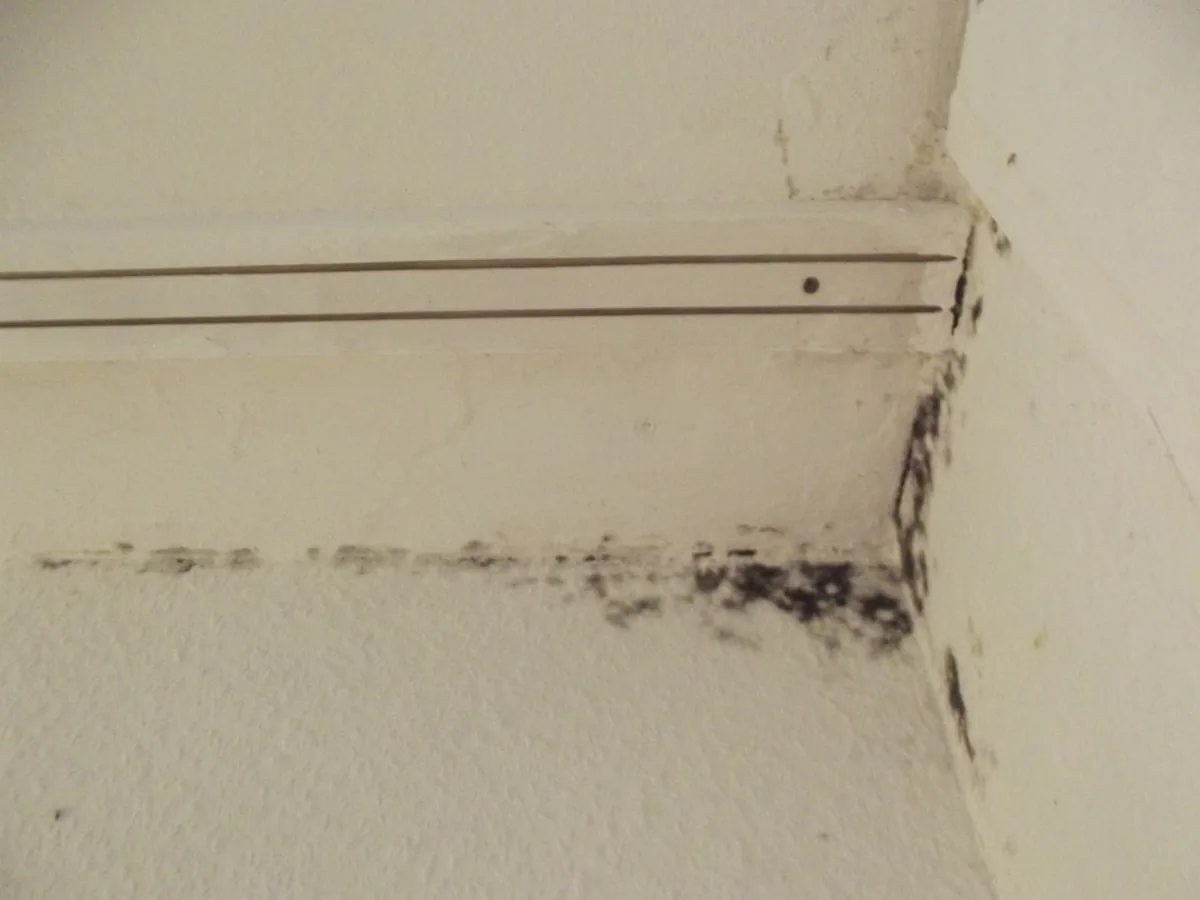
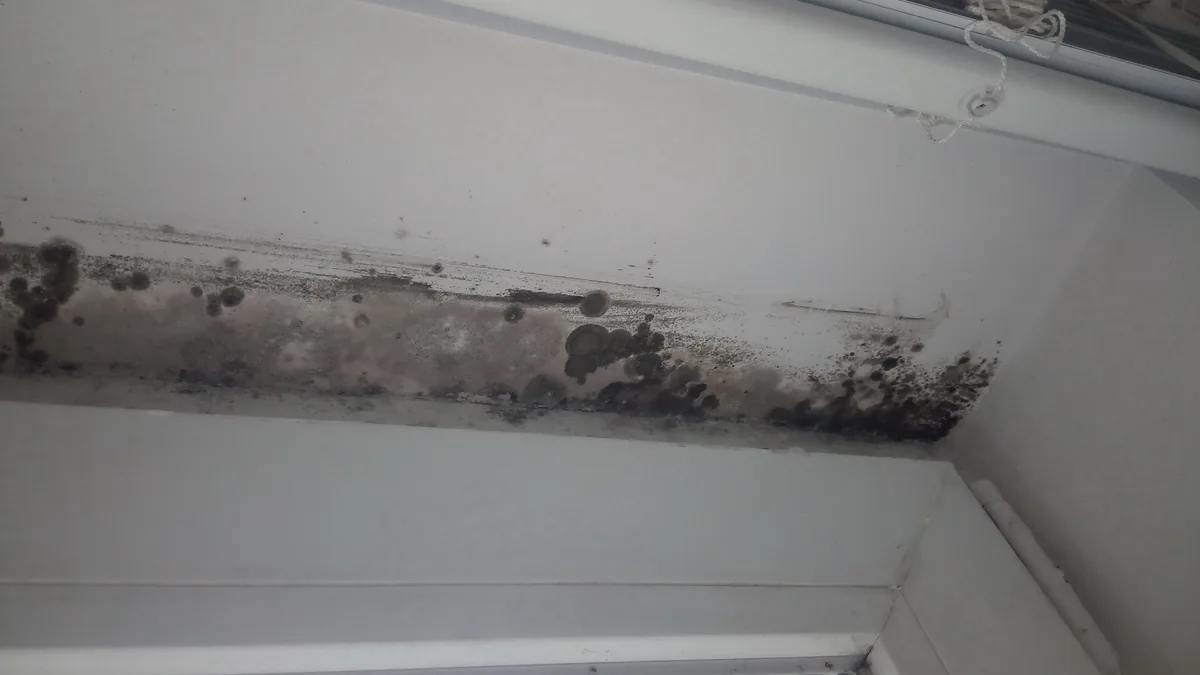
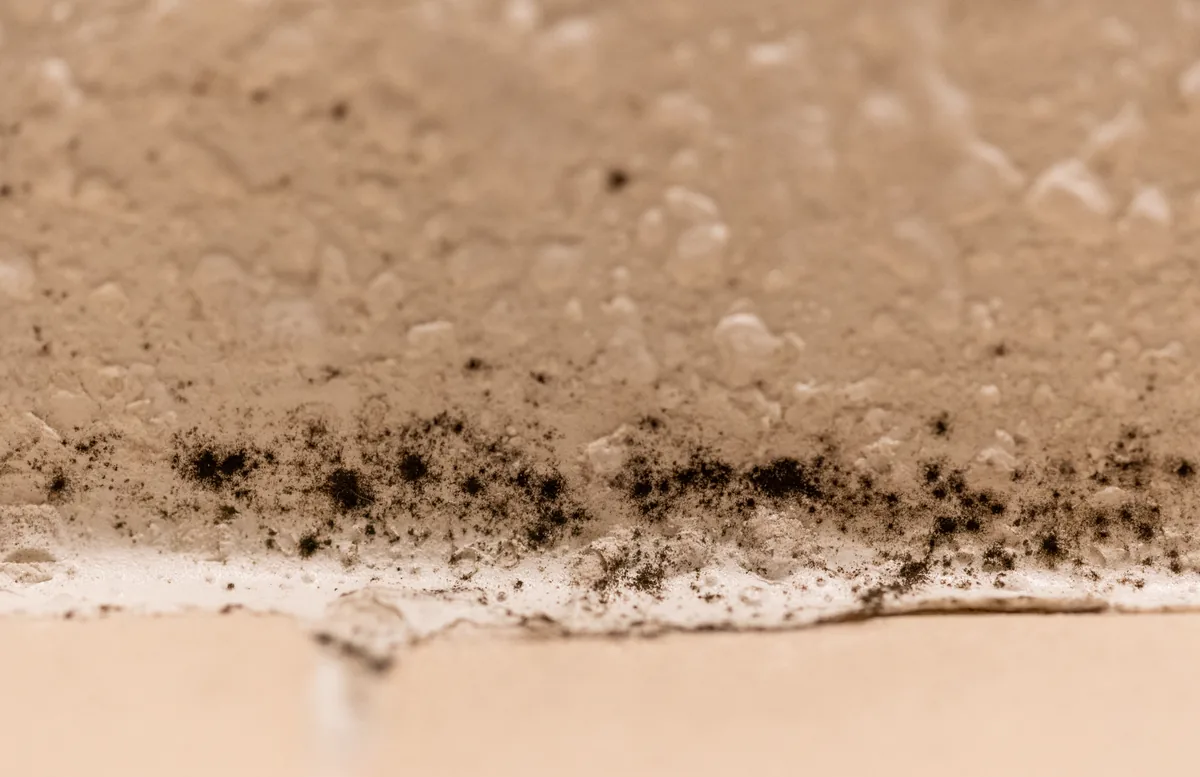
Mold remediation work in Columbia homes
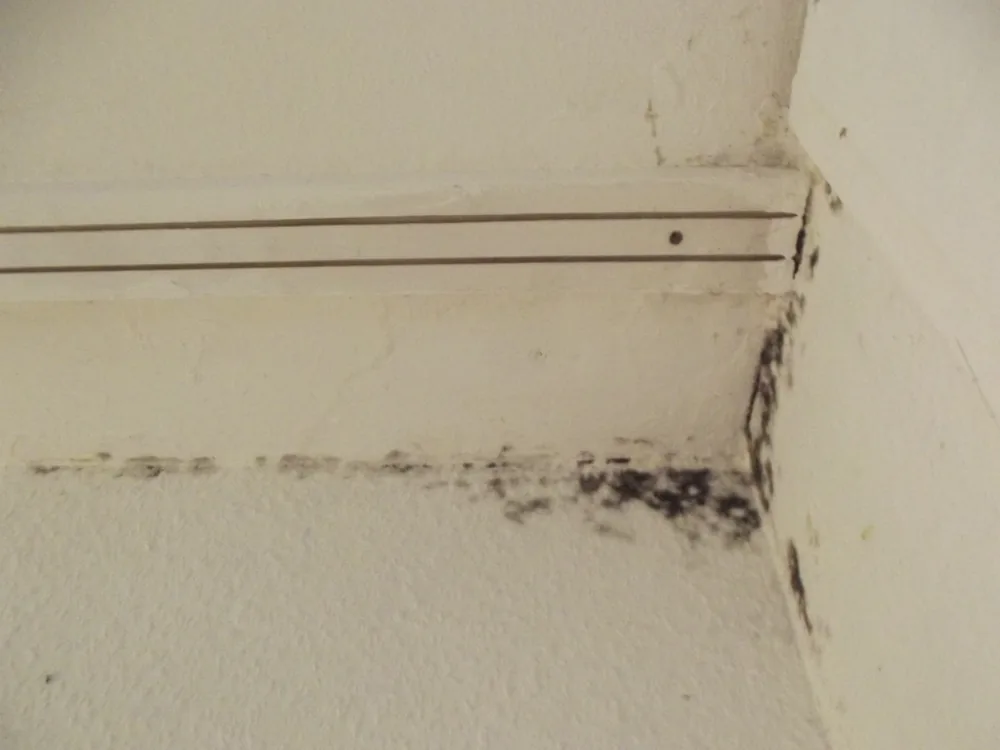

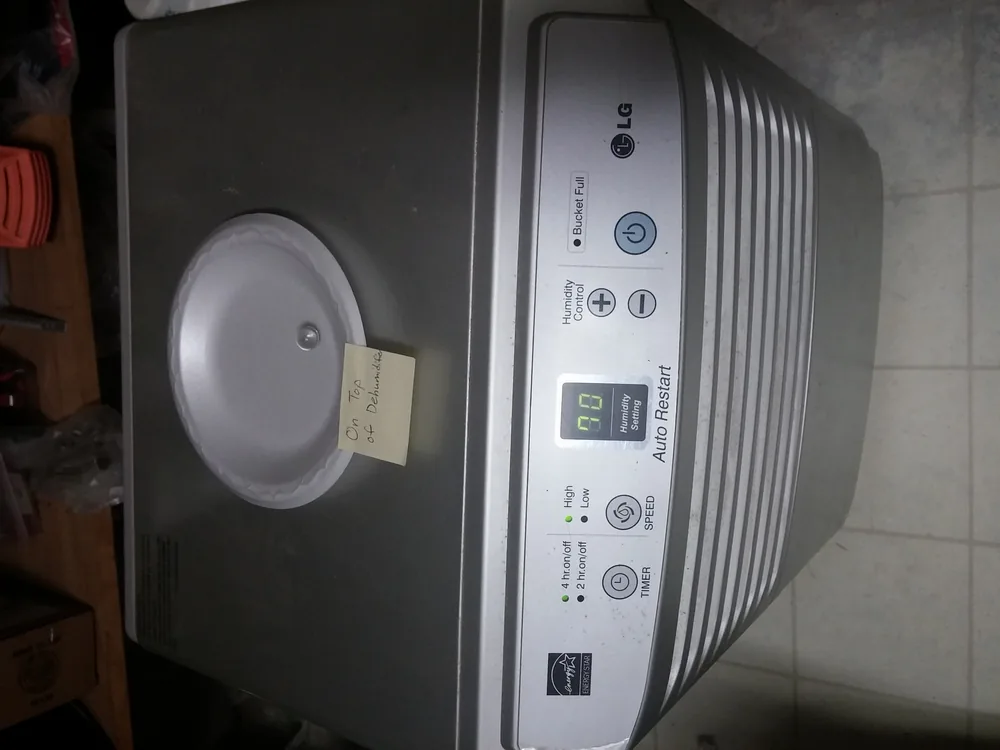
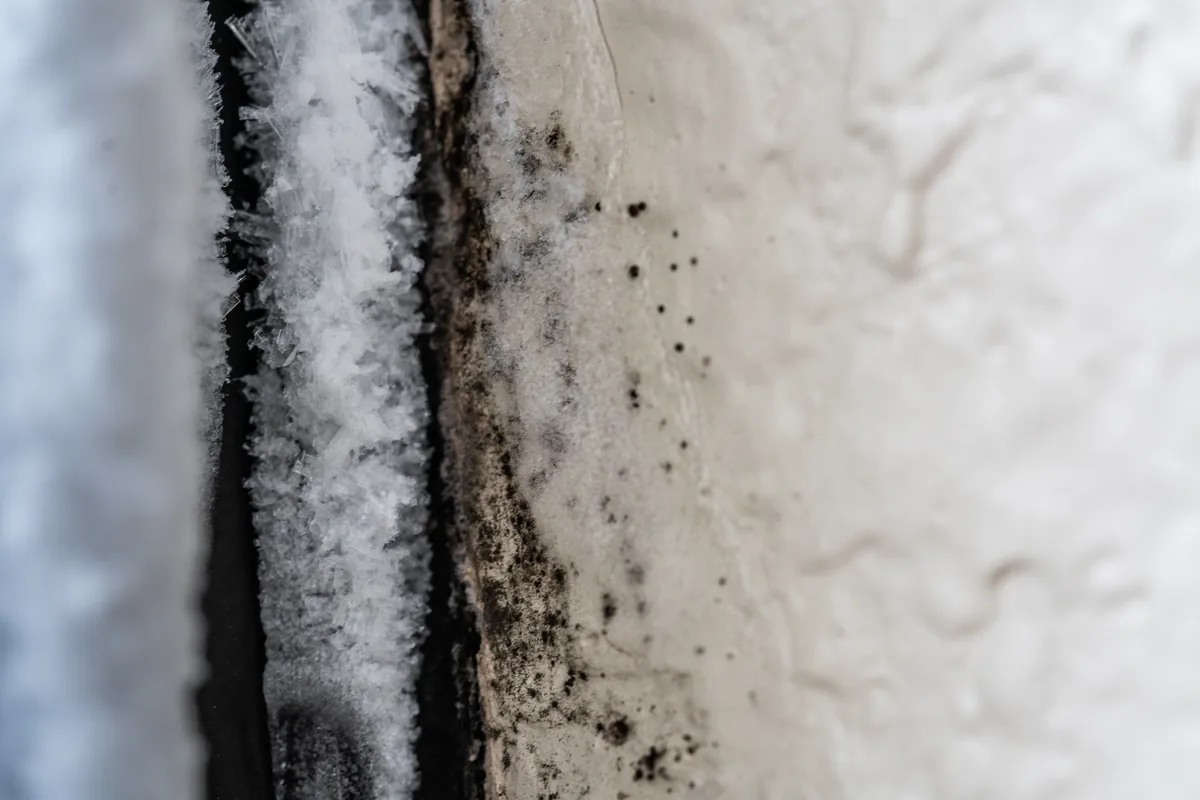

Storm Season Flood Risk in Columbia
Heavy Illinois rain and seasonal flooding can overwhelm Columbia home foundations, basements, and crawl spaces.
Once water enters, mold can establish on wet materials in Columbia homes within 24 to 48 hours.
For independent guidance on mold, moisture, and safe cleanup, see EPA: A Brief Guide to Mold, Moisture and Your Home and CDC: Mold and health.
- Spring spring rain and runoff pooling against foundation walls
- Heavy summer thunderstorms overwhelming gutters and downspouts
- Window well flooding into basement living space
- Sump pump failure during a storm event
Category 3 Flood Water Protocol
Storm water is classified as Category 3, requiring removal of soaked materials like drywall and carpet padding.
These materials cannot be sanitized in place and are taken out according to IICRC S520 guidelines.
- Porous materials removed rather than dried when contamination risk is present
- Hard surfaces cleaned and disinfected before drying
- Personal belongings assessed separately for salvage potential
The Importance of Speed After a Storm
A quick response after a Columbia flood limits structural damage and the extent of material replacement needed.
Getting a crew on site within a day or two can mean the difference between cleaning and removing walls.
- Call as soon as it is safe to do so, even before water fully recedes
- Move salvageable items off wet flooring if you can do it safely
- Leave the HVAC system off until ductwork that took on water is inspected
Insurance Coordination for Storm Damage
For covered claims, remediation specialists document the loss with photos and moisture readings and work directly with your insurance carrier.
After the job
After the job: keeping it from coming back
Extend downspouts to direct runoff away from the foundation
Install window well covers before the next storm season
Test the sump pump and battery backup ahead of spring rains
Maintain basement humidity between 30 and 50 percent
If it shows up again, or a new leak starts, call (844) 352-3560, the line is answered 24/7.
Good to know
Flood & Storm Mold Cleanup in Columbia, IL: common questions
How soon should I call after a flood?
Call as soon as it is safe. Mold growth can begin within 24 to 48 hours on wet materials in Columbia homes.
Can residents stay during flood remediation?
It depends on the affected area. Technicians establish containment to isolate the work zone from living spaces.
Does homeowners insurance cover storm-related mold?
Coverage varies by policy. Specialists document all damage with photos and readings to support the insurance claim.
Is flood mold cleanup different from a plumbing leak?
Yes. Flood water carries contaminants, so soaked porous materials are removed instead of dried and reinstalled.
Do you handle basement flooding from spring rain?
Yes. Spring runoff flooding into Columbia basements and crawl spaces is common work for local remediation crews.
Related services
More mold services in Columbia, IL
Standards
Standards the work is done to in Columbia
Questions about the scope? Call (844) 352-3560, open 24/7.
Talk to the mold removal team now
Need Flood & Storm Mold Cleanup in Columbia, IL?
Call the 24/7 line and a local crew gets the problem contained fast, then removed the right way, to the IICRC S520 standard. A visit is often set the same day.